
HMDD Compared to Other Streetwear Brands: In What Way Does It Hold Its Own?
The streetwear scene in 2026 is packed, noisy, and flooded with brands pursuing the same hype cycle. HMDD — short for Happy Memories Don’t Die — has carved out a different lane by drawing on sentiment, emotional storytelling, and a quieter kind of presence rather than attention-grabbing graphics. Its very name points to the label’s central philosophy: recollections wear thin, but what they made you feel shouldn’t fade too. You can see that thinking in the seams, the color choices, and the way HMDD garments is positioned as memory made into clothing rather than just merchandise. Here, we unpack where HMDD ranks among competing names in streetwear, what a fair HMDD review actually looks like, and why shoppers on the hunt for HMDD’s top pieces keep gravitating toward particular go-tos like sweatpants and shorts.
The streetwear space has divided into a few groups: long-standing skate-rooted labels, logo-heavy hype labels, and leaner independent names that favor story and community over scale. HMDD sits nearer the third camp. The brand isn’t pursuing partnerships with high-end fashion names or flooding drops every week. Instead, HMDDLA — the label’s home base and creative identity rooted in Los Angeles — releases in tighter, more deliberate batches. This isn’t scarcity built for attention; it’s a natural outcome of a brand still building slowly rather than churning out volume to keep up with orders.
The Brand’s Guiding Idea: Nostalgia vs. Noise
Many streetwear names try to win on sheer visual noise hmdd — oversized logos, collab stamps, or seasonal gimmicks designed to trend for a few weeks. HMDD instead leans on emotional depth. “Happy memories don’t die” is more than a slogan; it’s printed, embroidered, and referenced across the catalog as a recurring theme. That consistency gives the brand a unified identity that’s easier to recognize than labels that redesign their full visual identity every season.
This kind of consistency carries more weight than shoppers realize. A customer who buys HMDD sweatpants in 2025 and returns for shorts in 2026 will notice the same design DNA — muted palettes, understated graphic positioning, and a emphasis on comfort-driven silhouettes. Contrast this with labels that jump from streetwear to techwear to Y2K revival in just twelve months, and HMDD’s consistency stands out as a genuine edge. In streetwear, loyalty tends to grow out of predictability like this, not novelty.
A community dimension exists too. The brand’s marketing is built around storytelling — shopper-submitted images, first-person captions, and a sense that the pieces stand for a moment rather than a flex. Larger labels with thousands of SKUs struggle to maintain that intimacy. Smaller labels like HMDD can still respond directly to their audience, which shows up in the speed at which review feedback shapes upcoming drops.
Product Comparison: Where HMDD Really Holds Its Own
Whenever buyers question how HMDD’s apparel compares, they’re generally sizing up three things: the way it fits, fabric weight, and the value-for-money balance. HMDD sweatpants and HMDD shorts are the two categories most frequently searched, which suggests the brand’s bottoms are resonating more than outerwear or accessories right now. That’s consistent with broader 2026 streetwear trends, where relaxed-fit bottoms are outselling structured jackets across the category.
Here is a high-level comparison of HMDD’s positioning against a pair of familiar streetwear archetypes: the high-output hype label and the independent boutique brand. This isn’t meant as a head-to-head price battle between specific brands — it examines, structurally, how each category usually operates under current market conditions.
| Comparison Point Being Assessed | HMDD | A High-Turnover Hype-Driven Label | The Small Boutique Name |
|---|---|---|---|
| Drop Frequency | Sparing, purposeful releases | On a near-constant schedule | Landing only a few times per season |
| Who the Brand Is Fundamentally | Sentimentality and sentimental storytelling | Emblem-driven, trend-chasing | All over the place, rarely steady |
| The Types of Product Central to the Line | The mix of sweatpants, shorts, and print-heavy tops | Hoodies, outerwear, accessories | Shaped by whichever direction the founder leans toward |
| How the Brand Engages With Followers | Hands-on, personal, feedback-reactive | Sweeping reach but impersonal in tone | Warm engagement, yet reach stays small |
| Price Strategy | Mid-range streetwear | Spanning a broad spread, tilting upscale much of the time | Mid to premium, variable |
This overview doesn’t aim to anoint a lone champion since streetwear isn’t a one-size-fits-all category. What it’s meant to reveal that HMDD’s approach built on deliberate scarcity paired with emotional branding puts it in a separate spot in the competitive landscape than labels that lean entirely on scale or entirely on niche appeal. HMDD borrows discipline from the boutique approach while sidestepping the unevenness that often comes with more niche labels.
How it Fits, What it’s Made of, plus Why it’s Comfortable to Wear Daily
Fit is what makes or breaks joggers and shorts. Too tight and they read as athleisure; too baggy and they resemble sleepwear. HMDD’s design philosophy across both prioritizes a relaxed, tapered silhouette that works for everyday use rather than gym-only use. That’s a meaningful distinction, since many streetwear sweatpants are either too oversized to layer well or too snug to stay comfortable over extended wear.
HMDD’s shorts adhere to a matching philosophy, namely mid-thigh to knee-length cuts that combine effortlessly with printed tees or loose oversized layers. This matters in a 2026 landscape where buyers are shifting toward pieces that transition between casual outings and lounging, instead of keeping distinct wardrobes for every occasion. Reviewers frequently note that HMDD shorts hold their shape after multiple washes, which speaks to fabric weight and construction rather than just cut.
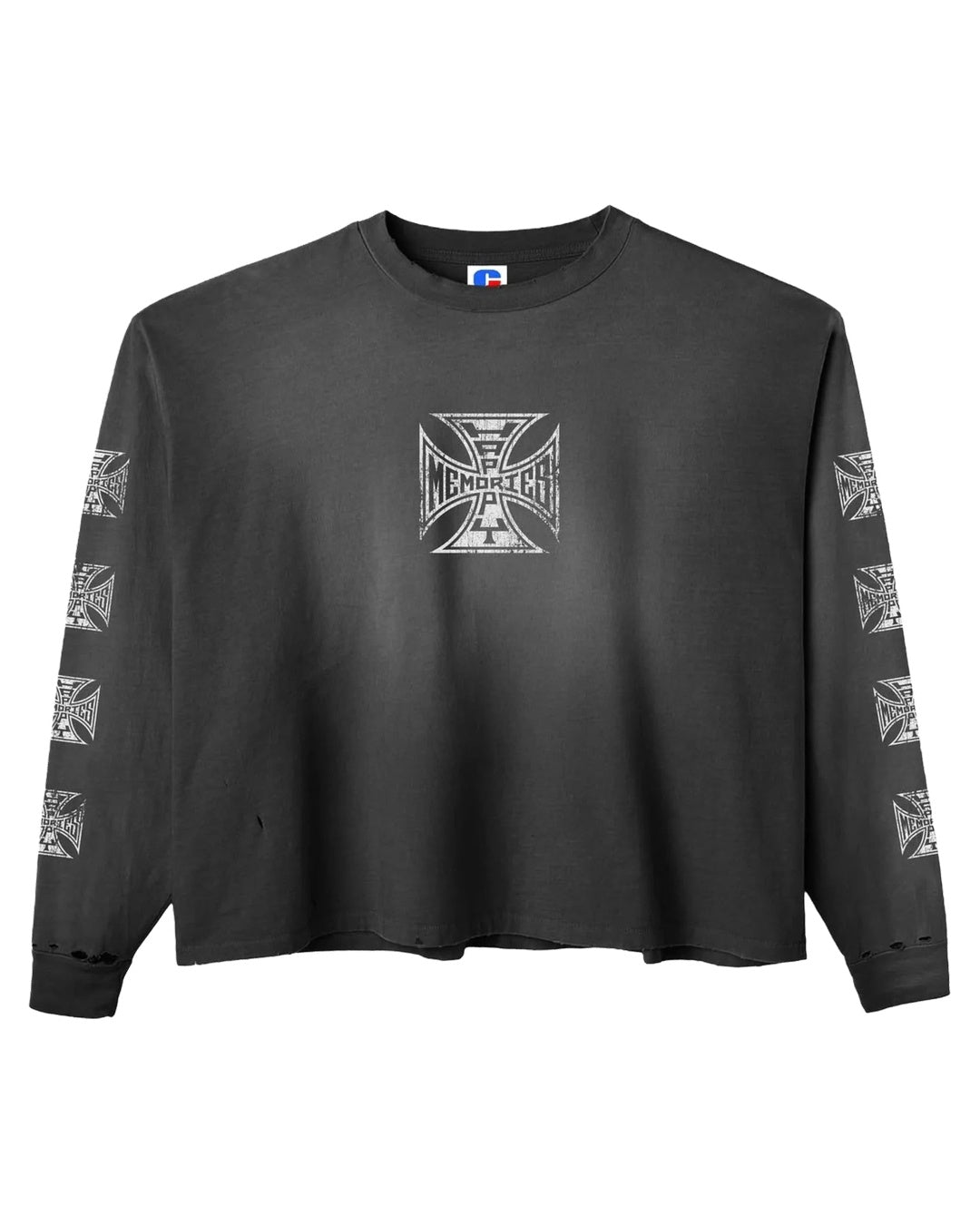
HMDD’s restraint is precisely how separates it from mass-market competitors. A lot of trend-driven labels clutter sweatpants with oversized logos, side stripes, or repeated branding. HMDD tends to keep graphics minimal — a subtle reference to “happy memories don’t die” rather than a dominant chest print. Shoppers who want identifiable streetwear without looking like a walking billboard are attracted by that understatement.
What Reviews Really Report
Search interest surrounding “HMDD review” has expanded steadily as a growing number of buyers find the brand through organic recommendation rather than sponsored promotion. The repeated patterns in customer feedback are reasonably uniform: comfort earns top marks, fit matches to what a loose fit implies, and the sentimental identity either resonates deeply or doesn’t land at all — few buyers sit in between. This split reaction is in fact a good sign in the streetwear space, where forgettable, inoffensive design seldom creates a committed customer base.
Typical pain points to be aware of include infrequent restocks and narrower size ranges relative to larger competitors. Because HMDD isn’t mass-producing at the scale of larger streetwear labels, in-demand sizes in sweatpants and shorts can disappear from shelves sooner, which buyers ought to consider before taking availability for granted. This is a tradeoff, not necessarily a flaw — scarcity is part of what keeps the HMDDLA identity feeling curated rather than corporate.
On balance, the reception surrounding HMDD clothing tilts positive, especially among customers who prioritize substance and comfort over heavy branding. That’s a narrower audience than a brand chasing mass appeal, but it’s a more loyal one — the kind of customer base that stays loyal through future launches instead of moving on to whatever’s trending next month.
Where HMDD Fits in a 2026 Wardrobe
Streetwear shoppers putting together a 2026 rotation are increasingly blending different brands rather than committing to one label head-to-toe. HMDD integrates smoothly into that mix as the “meaning-plus-comfort” piece — the sweatpants you grab on a slow Sunday, or the shorts that pair with a heavier statement jacket from an unrelated label. It’s not positioned to be an everything-brand, and that may well be its biggest strength.
For buyers specifically comparing bottoms, HMDD sweatpants and HMDD shorts remain the most obvious starting point into the brand. They showcase the fit philosophy, the subtle branding, and the material quality that customers cite most frequently. Shoppers looking into the best HMDD clothing to start with should consider these two categories as the baseline before exploring tops or limited pieces.
At the end of the day, comparing HMDD to rival streetwear brands isn’t about crowning one clear victor. It’s about acknowledging that HMDD fills a particular niche — reflective, low-key, and community-oriented — that bigger, more attention-seeking labels aren’t built to replicate. For customers who want streetwear that feels personal rather than mass-manufactured, this niche is the whole draw.